Introduction
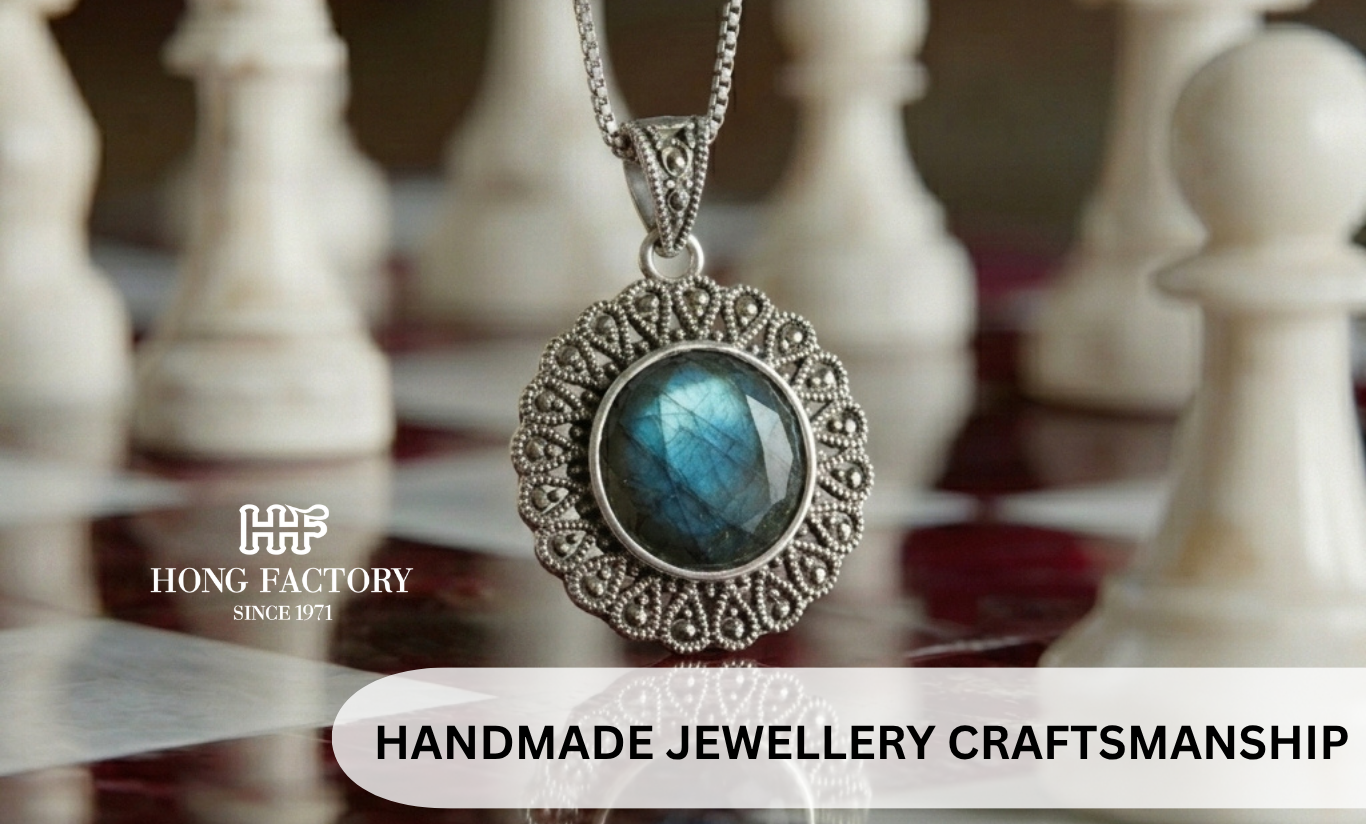
Handmade jewellery represents one of the oldest and most respected forms of artistic craftsmanship. Long before mass production became common, skilled artisans carefully designed and created jewellery by hand using traditional techniques, patience, and creativity. Today, handmade jewellery continues to attract consumers who value originality, quality, and the personal touch that comes from artisan craftsmanship.
Unlike factory-produced jewellery, handmade pieces often carry unique details that reflect the skill and vision of the maker. Every handcrafted ring, necklace, bracelet, or pair of earrings tells a story through its design, materials, and construction process. Many jewellery enthusiasts appreciate handmade jewellery not only for its beauty but also for its authenticity and individuality.
This guide explores handmade jewellery craftsmanship, the techniques involved, the benefits of artisan-made pieces, and why handcrafted jewellery remains highly valued in the modern jewellery industry.
What Is Handmade Jewellery?
Handmade jewellery refers to jewellery that is created primarily through manual craftsmanship rather than automated manufacturing.
Artisans often perform tasks such as:
- Designing
- Shaping metals
- Setting gemstones
- Polishing
- Finishing
by hand.
The result is jewellery with unique characteristics and personal attention to detail.
The History of Handmade Jewellery
Jewellery craftsmanship has existed for thousands of years.
Ancient Civilizations
Early cultures created jewellery using:
- Gold
- Silver
- Copper
- Gemstones
Jewellery often symbolized:
- Wealth
- Status
- Spiritual beliefs
Traditional Techniques
Many historical jewellery-making techniques continue to be used today.
These methods preserve artistic traditions while maintaining exceptional quality.
Modern Appreciation
Although technology has transformed jewellery production, handmade craftsmanship remains highly respected and sought after.
Why Handmade Jewellery Is Popular
Consumers increasingly value handmade products.
Unique Designs
Handmade jewellery offers individuality.
Benefits include:
- One-of-a-kind details
- Artistic expression
- Personal character
No two pieces are exactly identical.
Superior Craftsmanship
Artisans often focus on quality rather than mass production.
This attention to detail can result in exceptional workmanship.
Emotional Connection
Handmade jewellery often feels more meaningful because it reflects the effort and creativity of its maker.
Many buyers appreciate this connection.
Support for Independent Artists
Purchasing handmade jewellery helps support:
- Local artisans
- Small businesses
- Creative communities
This contributes to sustainable economic growth.
The Handmade Jewellery Design Process
Creating handmade jewellery involves multiple stages.
Concept Development
The process begins with an idea or inspiration.
Design inspiration may come from:
- Nature
- Architecture
- Art
- Personal experiences
Sketching
Many artisans begin by creating design sketches.
These drawings help visualize the final piece.
Material Selection
Materials are carefully chosen based on:
- Appearance
- Durability
- Functionality
This stage significantly influences the final result.
Production
The jewellery is then handcrafted using specialized tools and techniques.
Each step requires skill and precision.
Common Materials Used in Handmade Jewellery
Artisans work with a wide range of materials.
Gold Jewellery
Gold remains one of the most desirable jewellery materials.
Benefits include:
- Durability
- Luxury appeal
- Timeless beauty
Handmade gold jewellery often showcases exceptional craftsmanship.
Silver Jewellery
Silver is widely used because of its:
- Affordability
- Versatility
- Elegant appearance
Handmade silver jewellery remains highly popular.
Platinum Jewellery
Platinum offers:
- Strength
- Longevity
- Premium quality
Many luxury handmade pieces feature platinum.
Gemstones
Handmade jewellery often incorporates gemstones such as:
- Diamond
- Sapphire
- Ruby
- Emerald
- Amethyst
These stones add color and visual interest.
Handmade Jewellery Techniques
Various techniques contribute to handcrafted jewellery production.
Metal Forming
Artisans shape metal using specialized tools.
Techniques include:
- Bending
- Hammering
- Cutting
These methods create structure and form.
Soldering
Soldering joins metal components together.
Precision is essential for strength and appearance.
Stone Setting
Gemstones are carefully secured into jewellery settings.
Proper stone setting requires significant skill.
Polishing and Finishing
The final stage enhances:
- Shine
- Texture
- Overall appearance
Finishing helps bring designs to life.
The Art of Stone Setting
Stone setting is one of the most important jewellery-making skills.
Prong Settings
Prongs secure gemstones while allowing maximum light exposure.
Benefits include:
- Enhanced sparkle
- Traditional appearance
Bezel Settings
Bezel settings surround gemstones with metal.
Advantages include:
- Increased protection
- Modern aesthetic
Pavé Settings
Pavé techniques involve setting multiple small gemstones close together.
This creates a luxurious appearance.
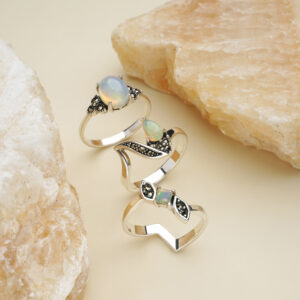
Handmade Rings
Handcrafted rings remain among the most popular jewellery categories.
Engagement Rings
Custom handmade engagement rings provide:
- Personalization
- Exclusivity
- Emotional significance
These qualities make them highly desirable.
Wedding Bands
Handmade wedding bands often feature:
- Unique textures
- Custom engravings
- Artistic details
These elements increase sentimental value.
Statement Rings
Artisan rings frequently showcase creative design concepts and exceptional craftsmanship.
Handmade Necklaces
Necklaces provide excellent opportunities for artistic expression.
Pendant Necklaces
Handmade pendants often feature:
- Symbolic designs
- Unique gemstones
- Detailed metalwork
These pieces become meaningful accessories.
Layered Necklaces
Many artisans create layered necklace collections that reflect modern fashion trends.
Custom Necklaces
Personalized necklaces remain highly popular among handmade jewellery buyers.
Handmade Bracelets
Bracelets combine beauty and practicality.
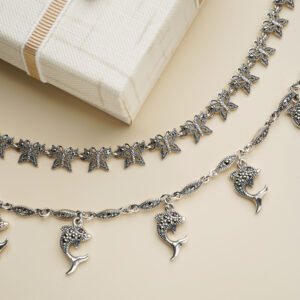
Chain Bracelets
Handcrafted chains often demonstrate remarkable attention to detail.
Cuff Bracelets
Artisan cuffs frequently feature:
- Textures
- Engravings
- Sculptural designs
These elements create individuality.
Charm Bracelets
Handmade charm bracelets allow wearers to tell personal stories through jewellery.
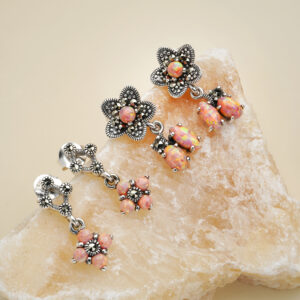
Handmade Earrings
Earrings remain a versatile jewellery category.
Stud Earrings
Handcrafted studs offer:
- Simplicity
- Comfort
- Elegance
These pieces suit daily wear.
Drop Earrings
Artisan drop earrings often showcase intricate craftsmanship.
Statement Earrings
Bold handmade earrings allow designers to demonstrate creativity and artistic vision.
Sustainable Benefits of Handmade Jewellery
Sustainability is becoming increasingly important.
Small-Batch Production
Handmade jewellery is often produced in limited quantities.
Benefits include:
- Reduced waste
- Better resource management
- Greater quality control
Ethical Material Sourcing
Many artisans prioritize responsibly sourced materials.
This supports environmental and social responsibility.
Longevity
Handmade jewellery often emphasizes durability and craftsmanship.
Long-lasting products contribute to sustainable consumption.
Custom Handmade Jewellery
Customization is one of the greatest strengths of handmade jewellery.
Personalized Designs
Custom options may include:
- Names
- Initials
- Birthstones
- Engravings
These details increase emotional significance.
Collaborative Design
Customers often work directly with artisans.
This collaboration creates highly personalized pieces.
Unique Results
Custom jewellery ensures exclusivity and originality.
Handmade Jewellery as an Investment
Quality handmade jewellery can provide lasting value.
Craftsmanship Value
Exceptional craftsmanship often increases desirability.
Limited Availability
Handmade pieces are usually produced in smaller quantities.
This exclusivity contributes to their appeal.
Emotional Worth
Many owners value handmade jewellery for personal reasons beyond financial considerations.
How to Identify Quality Handmade Jewellery
Understanding quality indicators helps buyers make informed decisions.
Examine Details
Look for:
- Clean finishing
- Secure settings
- Consistent workmanship
These features reflect skilled craftsmanship.
Evaluate Materials
High-quality materials contribute significantly to durability and appearance.
Ask About Production Methods
Learning about the creation process provides insight into authenticity and quality.
Caring for Handmade Jewellery
Proper maintenance preserves handcrafted beauty.
Cleaning
Use gentle methods appropriate for the materials involved.
Storage
Store jewellery separately to prevent scratches and damage.
Professional Maintenance
Periodic inspections help maintain long-term condition.
Proper care extends jewellery lifespan.
Future Trends in Handmade Jewellery
Several trends continue to influence artisan jewellery.
Personalized Designs
Consumers increasingly seek unique and meaningful accessories.
Sustainable Practices
Ethical production remains a growing priority.
Mixed Materials
Designers continue experimenting with innovative material combinations.
Artistic Expression
Creative individuality remains central to handmade jewellery appeal.
Why Handmade Jewellery Stands Apart
Handmade jewellery differs from mass-produced alternatives because it emphasizes:
- Craftsmanship
- Creativity
- Quality
- Authenticity
These qualities create lasting value and emotional connection.
Every handcrafted piece reflects the dedication and skill of its maker.
Conclusion
Handmade jewellery craftsmanship represents the perfect combination of artistry, skill, and personal expression. From custom engagement rings and artisan necklaces to handcrafted bracelets and gemstone earrings, handmade jewellery offers unique beauty that cannot be replicated by mass production.
Consumers who choose handmade jewellery often appreciate its originality, superior craftsmanship, sustainability, and emotional significance. As demand for personalized and meaningful products continues to grow, handmade jewellery remains one of the most valued and respected segments of the jewellery industry.