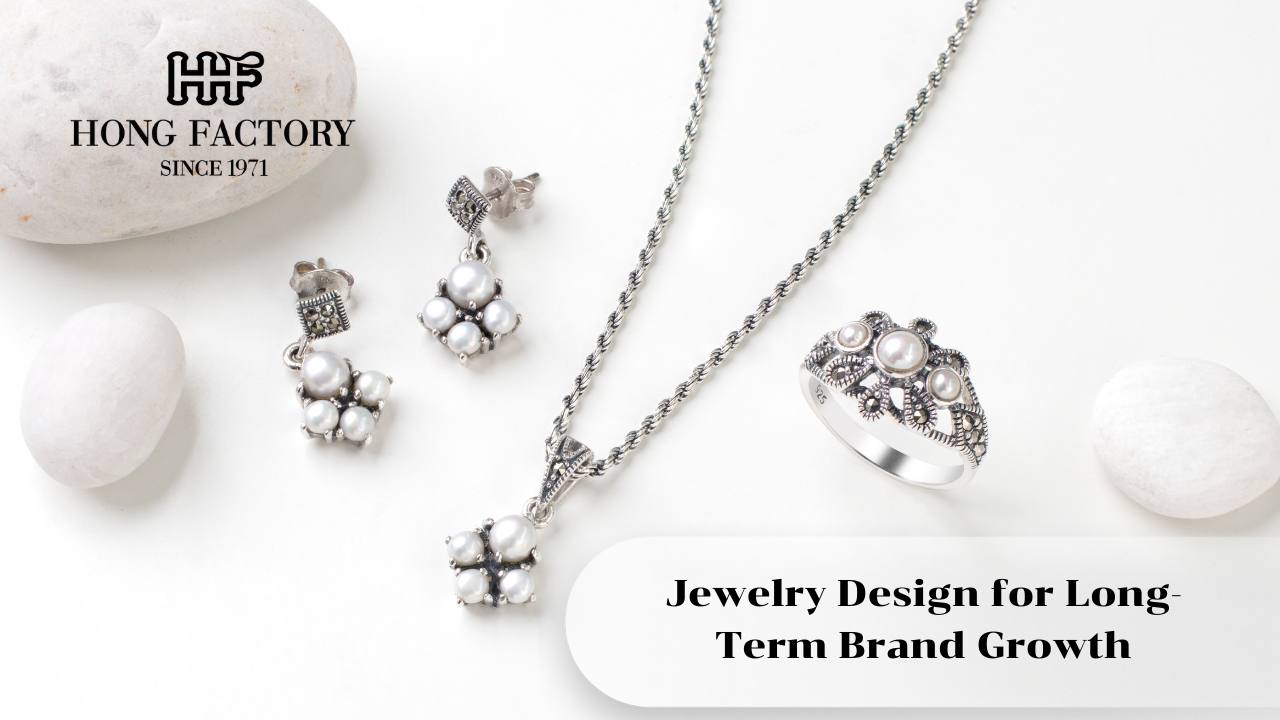
Long-term brand growth in the jewelry industry is not driven by trends alone. It is built through intentional design decisions that support consistency, scalability, customer loyalty, and adaptability over time. For silver and marcasite jewelry brands, jewelry design for long-term brand growth means creating collections that remain relevant, recognizable, and commercially strong year after year. marcasite stone
This article explores how strategic jewelry design contributes to sustainable brand growth, covering design systems, product planning, customer trust, and evolution without losing identity.
Why Design Is Central to Long-Term Brand Growth
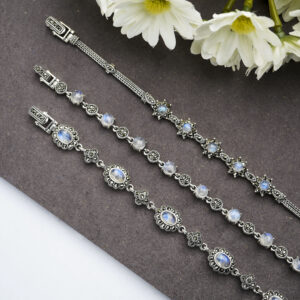
Design shapes how a brand is remembered.
Over time, customers associate a brand with:
- Visual consistency
- Perceived quality and reliability
- Emotional connection
- Ease of recognition
Strong design foundations turn individual products into a lasting brand ecosystem.
Building a Consistent Design Language
Consistency creates recognition.
Elements of a Strong Design Language
A cohesive jewelry brand typically maintains:
- Signature silhouettes or proportions
- Repeatable stone-setting patterns
- Consistent metal finishes
- Recognizable motifs or textures
Consistency helps customers instantly identify the brand.
Designing Collections, Not Isolated Pieces
Collections support scalability.
Why Collections Matter
Designing in collections allows brands to:
- Cross-sell complementary items
- Simplify merchandising and marketing
- Support wholesale and retail growth
Collections feel intentional and complete.
Using Silver and Marcasite as Growth-Friendly Materials
Material choice affects longevity.
Sterling Silver for Brand Stability
Sterling silver supports growth because it:
- Is widely accepted and trusted
- Offers price flexibility
- Performs well across markets
Silver allows brands to scale without drastic repositioning.
Marcasite as a Signature Differentiator
Marcasite adds:
- Heritage and craftsmanship appeal
- Subtle sparkle that ages well
- Visual identity distinct from mass-market jewelry
Used consistently, marcasite becomes a recognizable brand element.
Designing for Customer Trust and Repeat Purchases
Trust fuels long-term success.
Design Factors That Build Trust
Customers return when jewelry:
- Feels durable and well-made
- Matches online presentation
- Maintains quality across purchases
Reliable design reduces uncertainty.
Balancing Timelessness and Innovation
Growth requires evolution.
How to Innovate Without Losing Identity
Brands can:
- Introduce new details within core styles
- Refresh proportions while keeping motifs
- Experiment through limited collections
Innovation should feel like progression, not reinvention.
Designing for Multiple Customer Lifecycles
Customers grow with brands.
Lifecycle-Based Design Strategy
Successful brands offer:
- Entry-level everyday designs
- Mid-range statement pieces
- Meaningful milestone jewelry
Designing across life stages increases lifetime value.
Product Line Architecture and Design Strategy
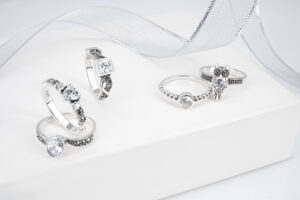
Structure supports growth.
Organizing Design Tiers
Brands often structure designs into:
- Core permanent collections
- Seasonal or trend-influenced lines
- Limited or experimental releases
Clear structure supports scalability.
Designing for Wholesale and Retail Expansion
Growth often includes new channels.
Designs that support expansion:
- Are easy to reproduce
- Have consistent sizing and finishes
- Perform well in retail displays
Wholesale-ready design reduces friction.
Design’s Role in Brand Storytelling
Stories strengthen loyalty.
Design communicates brand narrative through:
- Motifs and inspiration themes
- Craftsmanship details
- Material choices
Consistent storytelling deepens emotional connection.
Designing for Operational Efficiency
Efficiency protects margins.
Growth-focused design considers:
- Standardized components
- Material efficiency
- Production scalability
Efficient design supports profitability.
Adapting Design for Market Feedback
Feedback drives refinement.
Brands should analyze:
- Bestselling designs
- Return reasons
- Customer reviews
Design evolution should be data-informed.
Avoiding Design Decisions That Limit Growth
Some choices create barriers.
Mistakes to Avoid
- Overly niche or trend-dependent designs
- Inconsistent quality cues
- Designs difficult to scale or reproduce
Growth-friendly design prioritizes longevity.
Protecting Brand Identity During Expansion
Growth should not dilute identity.
Brands must:
- Preserve signature elements
- Maintain quality standards
- Ensure new designs align with brand values
Identity consistency builds long-term equity.
Measuring Design Impact on Brand Growth
Measurement informs strategy.
Brands can track:
- Repeat purchase rates
- Collection performance over time
- Wholesale reorder frequency
Design effectiveness becomes measurable.
Long-Term Competitive Advantage Through Design
Design compounds value.
Brands with strong design foundations:
- Compete on meaning, not price
- Build emotional loyalty
- Withstand market fluctuations
Design becomes a long-term asset.
Conclusion
Jewelry design for long-term brand growth is a strategic discipline, not a creative afterthought. By building consistent design language, planning scalable collections, balancing timelessness with innovation, and using materials like silver and marcasite thoughtfully, jewelry brands can grow sustainably without losing identity. In a competitive industry, design-led growth creates brands that endure—not just sell.