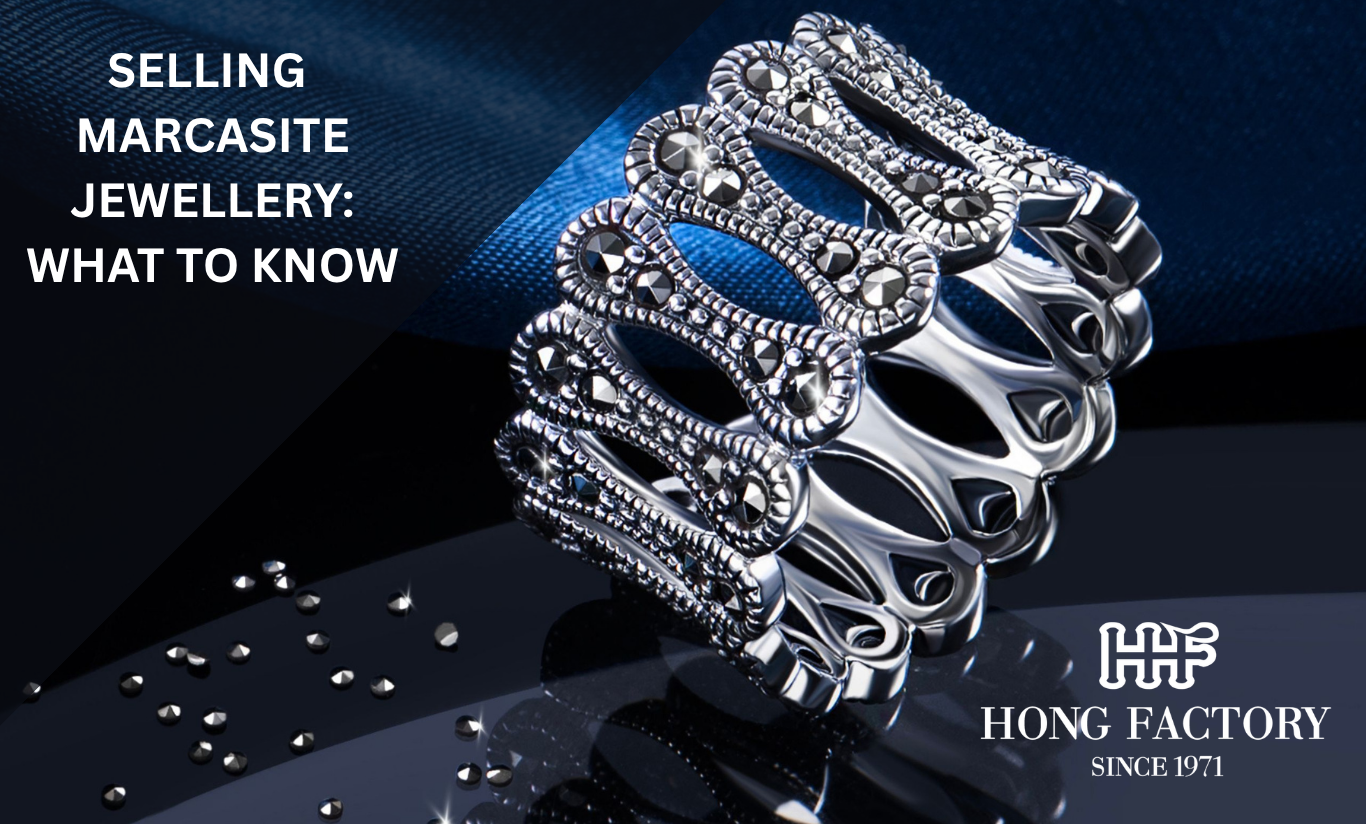
Understanding the Nature of Selling Marcasite Jewellery
Selling marcasite jewellery is different from selling precious gemstone jewellery. Value is determined more by craftsmanship, condition, age, and design than by the intrinsic worth of the stones. Understanding this distinction helps sellers set realistic expectations and approach the process with confidence.
Knowing how the market views marcasite jewellery is the foundation of a successful sale.
Identifying Why You Want to Sell
Before selling, clarify your reason. Some sellers aim to downsize a collection, others need liquidity, and some want to upgrade pieces.
Your motivation influences where and how you sell, as well as acceptable pricing and timing.
Assessing the Condition of Your Jewellery
Condition is one of the most important factors in resale value. Check for missing stones, loose settings, tarnish, or repairs.
Addressing minor issues before selling can improve presentation and buyer confidence.
Getting an Appraisal or Valuation
An appraisal or professional valuation helps establish a realistic price range. While not always required, it adds credibility, especially for vintage or antique pieces.
Appraisal reports also help justify pricing to potential buyers.
Understanding Market Value vs Emotional Value
Marcasite jewellery often carries sentimental meaning, but emotional value does not always translate into market price.
Separating personal attachment from market reality helps avoid frustration during negotiations.
Choosing Where to Sell Marcasite Jewellery
There are several selling options, including private sales, online marketplaces, consignment shops, and antique dealers. Each option offers different levels of convenience, pricing, and control.
Choosing the right channel depends on urgency, value, and target buyers.
Selling Online: Benefits and Risks
Online platforms offer wider reach and flexibility. High-quality photographs and detailed descriptions are essential.
Be aware of fees, return policies, and potential buyer disputes when selling online.
Working with Antique Dealers and Collectors
Antique dealers and collectors may offer quicker sales for vintage marcasite jewellery. However, prices may be lower due to resale margins.
Building relationships with reputable dealers improves outcomes.
Pricing Strategies for Marcasite Jewellery
Pricing should reflect condition, craftsmanship, and comparable listings. Overpricing discourages buyers, while underpricing reduces returns.
Researching similar pieces helps establish fair and competitive pricing.
Preparing Jewellery for Sale
Clean jewellery gently and ensure it is presentable. Avoid aggressive polishing that could remove patina or damage settings.
Professional presentation increases buyer trust.
Writing Effective Descriptions
Accurate descriptions should include materials, age (if known), condition, and measurements. Transparency builds credibility.
Avoid exaggerated claims or unsupported rarity statements.
Photographing Marcasite Jewellery
Clear, well-lit photographs from multiple angles are essential. Show close-ups of stone settings and any flaws.
Honest visuals reduce returns and disputes.
Handling Negotiations and Offers
Buyers may negotiate. Decide in advance your minimum acceptable price.
Remaining flexible yet informed helps close sales without regret.

Legal and Ethical Considerations
Ensure you have the right to sell the jewellery. Disclose any known repairs or defects.
Ethical selling builds long-term reputation and trust.
Managing Expectations and Timing
Marcasite jewellery may take time to sell, especially at higher prices. Patience often leads to better outcomes.
Timing sales around demand periods can improve visibility.
After the Sale: Records and Follow-Up
Keep records of sales, appraisals, and correspondence. This is useful for tax, insurance, or future reference.
Professional follow-up reinforces positive selling experiences.

Selling Marcasite Jewellery with Confidence
Selling marcasite jewellery successfully requires preparation, research, and realistic expectations. Understanding the market helps sellers make informed decisions.
With thoughtful strategy and transparent presentation, sellers can achieve fair outcomes and smooth transactions.