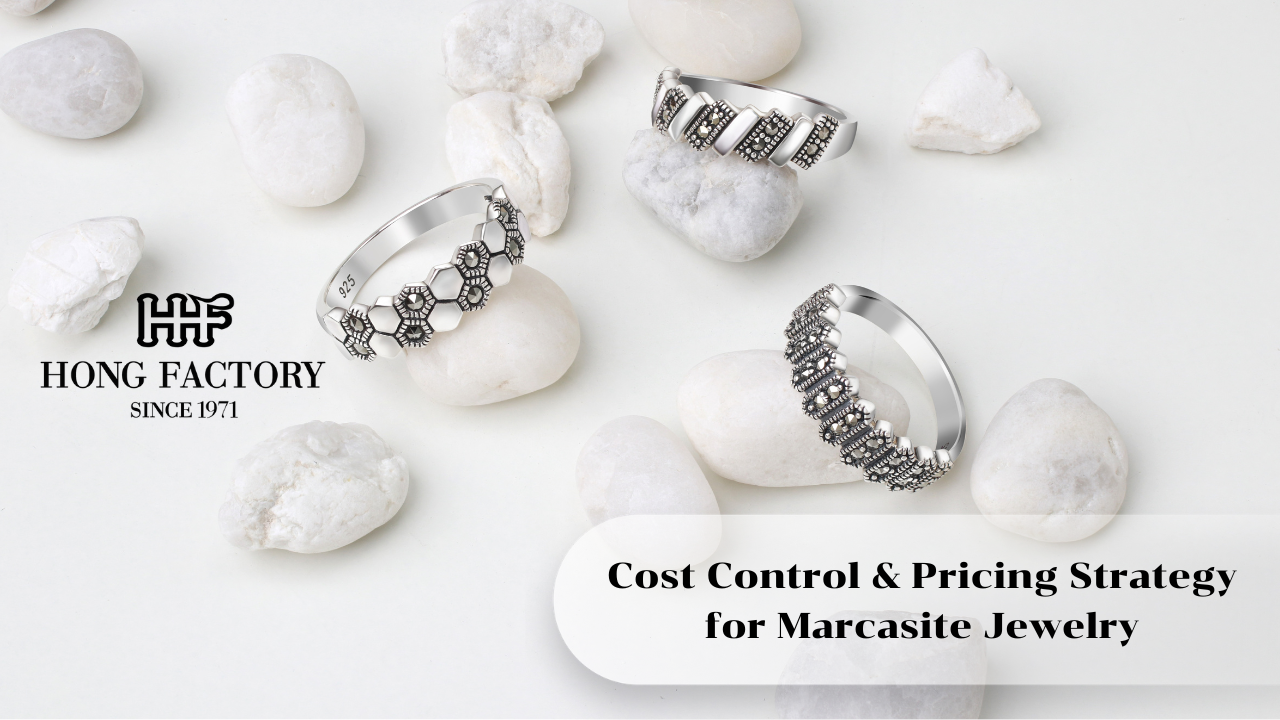
Cost control and pricing strategy are critical to profitability in the marcasite jewelry industry. Because marcasite jewelry relies on skilled hand-setting, sterling silver materials, and detailed quality control, margins can quickly erode without disciplined cost management and thoughtful pricing. Effective cost control and pricing strategy for marcasite jewelry balances craftsmanship value with market competitiveness. marcasite stone
This article explains how brands can manage costs responsibly while setting prices that reflect quality, sustainability, and long-term brand positioning.
Why Cost Control Matters in Marcasite Jewelry

Costs directly affect sustainability.
Key Cost Pressures
Marcasite jewelry brands face:
- Fluctuating silver prices
- Labor-intensive artisan work
- Quality control and rework costs
- Packaging and logistics expenses
Without control, even strong sales may not yield profit.
Understanding the True Cost Structure
Visibility enables control.
Core Cost Components
- Raw materials (sterling silver, marcasite stones)
- Direct labor (stone setting, finishing)
- Overhead (utilities, equipment, administration)
- Packaging and shipping
Knowing full costs prevents underpricing.
Material Cost Management
Materials are a major expense.
Managing Sterling Silver Costs
- Monitor market price trends
- Optimize metal usage without compromising strength
- Recycle silver scrap
Strategic sourcing stabilizes margins.
Managing Stone Costs
Although marcasite stones are affordable, waste adds up.
Stone Cost Controls
- Pre-sort stones by size and quality
- Reduce breakage through training
- Standardize stone dimensions
Efficiency reduces hidden costs.
Labor Cost Optimization
Labor is the most significant investment.
Labor Efficiency Strategies
- Match tasks to skill levels
- Optimize workflow to reduce idle time
- Invest in artisan training
Efficiency should never sacrifice craftsmanship.
Overhead and Operational Cost Control
Small savings accumulate.
Overhead Control Areas
- Energy usage
- Tool maintenance
- Workspace efficiency
Controlling overhead protects margins.
Quality Control and Cost Prevention
Prevention is cheaper than correction.
Cost Benefits of Strong QC
- Reduced rework
- Fewer returns
- Lower warranty expenses
Quality systems save money long term.
Pricing Strategy Fundamentals
Pricing communicates value.
Pricing Objectives
- Cover all costs
- Reflect craftsmanship value
- Remain competitive in target markets
Pricing must support brand positioning.
Cost-Based vs Value-Based Pricing
Choosing the right approach matters.
Cost-Based Pricing
- Ensures cost recovery
- Simple to calculate
- May ignore perceived value
Value-Based Pricing
- Reflects craftsmanship and design
- Supports premium positioning
- Requires strong branding
Many marcasite brands combine both approaches.
Pricing for Different Product Categories
Not all pieces should be priced equally.
Category-Based Pricing
- Core everyday designs
- Statement or limited editions
- Custom or bespoke pieces
Segmented pricing improves profitability.
Wholesale Pricing Strategy
B2B pricing requires discipline.
Wholesale Pricing Considerations
- Clear minimum order quantities
- Consistent margin protection
- Transparent discount structures
Protect brand value in wholesale channels.
Retail and Direct-to-Consumer Pricing
DTC offers margin opportunities.
DTC Pricing Best Practices
- Avoid frequent discounting
- Offer value-added services instead of price cuts
- Maintain price consistency across channels
Consistency builds trust.
Managing Discounts and Promotions
Discounts must be strategic.
Smart Promotion Strategies
- Limited-time offers
- Bundle pricing
- Loyalty-based incentives
Avoid constant markdowns that erode value.
Pricing for International Markets
Global pricing adds complexity.
International Pricing Factors
- Currency exchange rates
- Import duties and taxes
- Market-specific willingness to pay
Localized pricing improves competitiveness.
Monitoring Profit Margins
Margins must be tracked.
Key Margin Metrics
- Gross margin by product
- Contribution margin
- Profit per order
Data-driven pricing protects profitability.
Using Technology for Cost and Pricing Management

Technology improves accuracy.
Helpful Tools
- Cost accounting software
- Inventory and pricing dashboards
- ERP systems
Technology supports informed decisions.
Aligning Pricing with Brand Positioning
Price sends a message.
Brand Integrity
Pricing should reflect craftsmanship, durability, and authenticity—not fast-fashion tactics.
Avoiding Common Pricing Mistakes
Mistakes undermine value.
Mistakes to Avoid
- Underpricing handcrafted work
- Frequent heavy discounts
- Ignoring rising costs
Discipline protects brand equity.
Long-Term Cost Control Strategy
Sustainability requires balance.
Strategic Focus
- Continuous cost review
- Gradual efficiency improvements
- Investment in people and quality
Long-term thinking ensures resilience.
Conclusion
Cost control and pricing strategy for marcasite jewelry must work together to support profitability and brand integrity. By understanding true costs, managing materials and labor efficiently, and pricing based on both cost and perceived value, brands can protect margins without compromising craftsmanship. In a market built on detail, durability, and trust, disciplined pricing is not just a financial tool—it is a strategic foundation for sustainable success.